Analysis: Russia regenerates its tank force
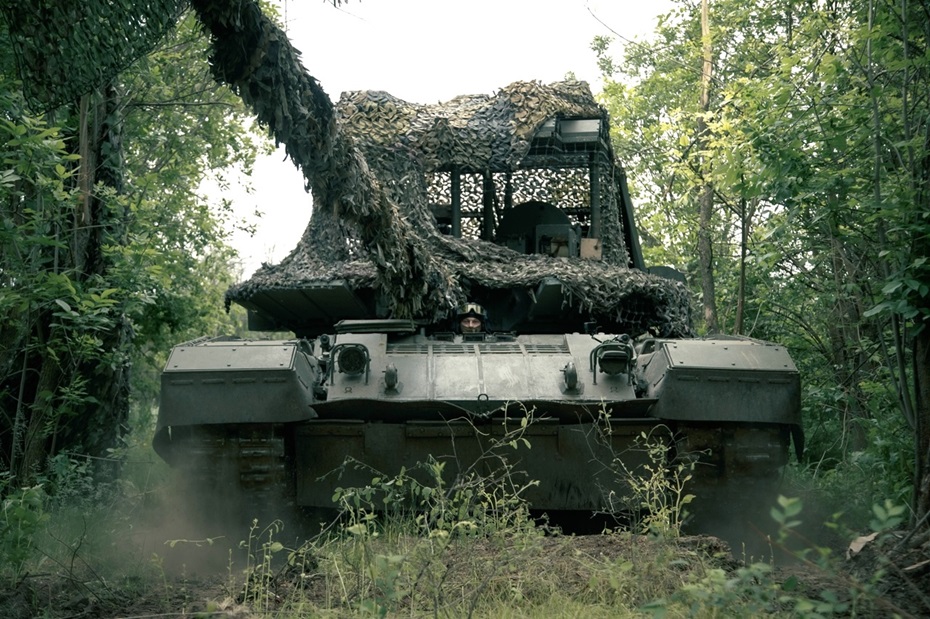
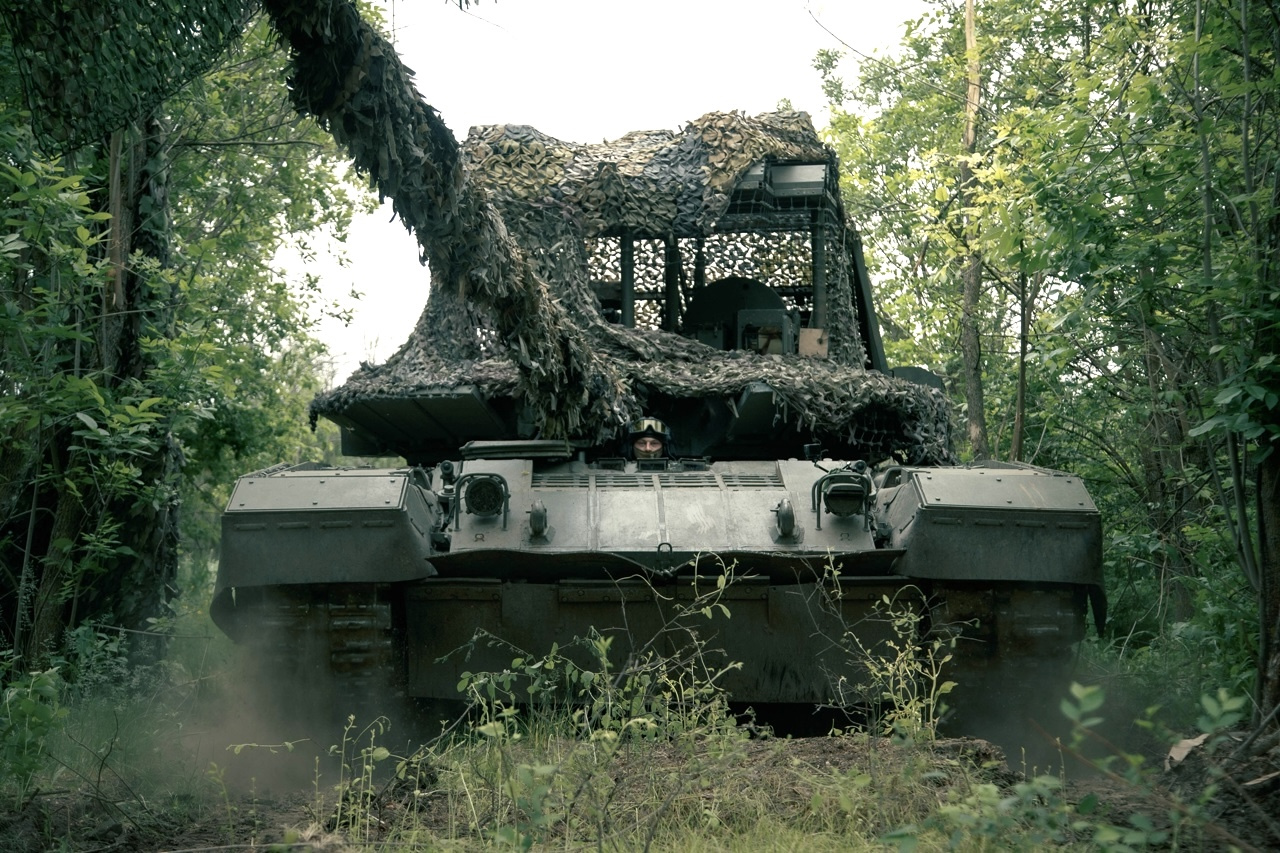 The T-80BVM in Luhansk oblast, Eastern Ukraine, in August 2025. The tank has been factory fitted with the turret roof cover, colloquially known as ‘krisha’, with integrated dynamic protection elements. In addition, fenders with integrated Relikt ERA are clearly visible, while Triton electronic warfare equipment (under the camouflage net) used to counter attack FPV UAVs has been fitted on the top of ‘krisha’. Image credit: Russian Ministry of Defence
Prior to February 2022 only two units in the Russian Armed Forces had the T-90M MBT in their inventory. As of September 2025, Janes has identified some 20 Russian units that operate the type across the Russian military.
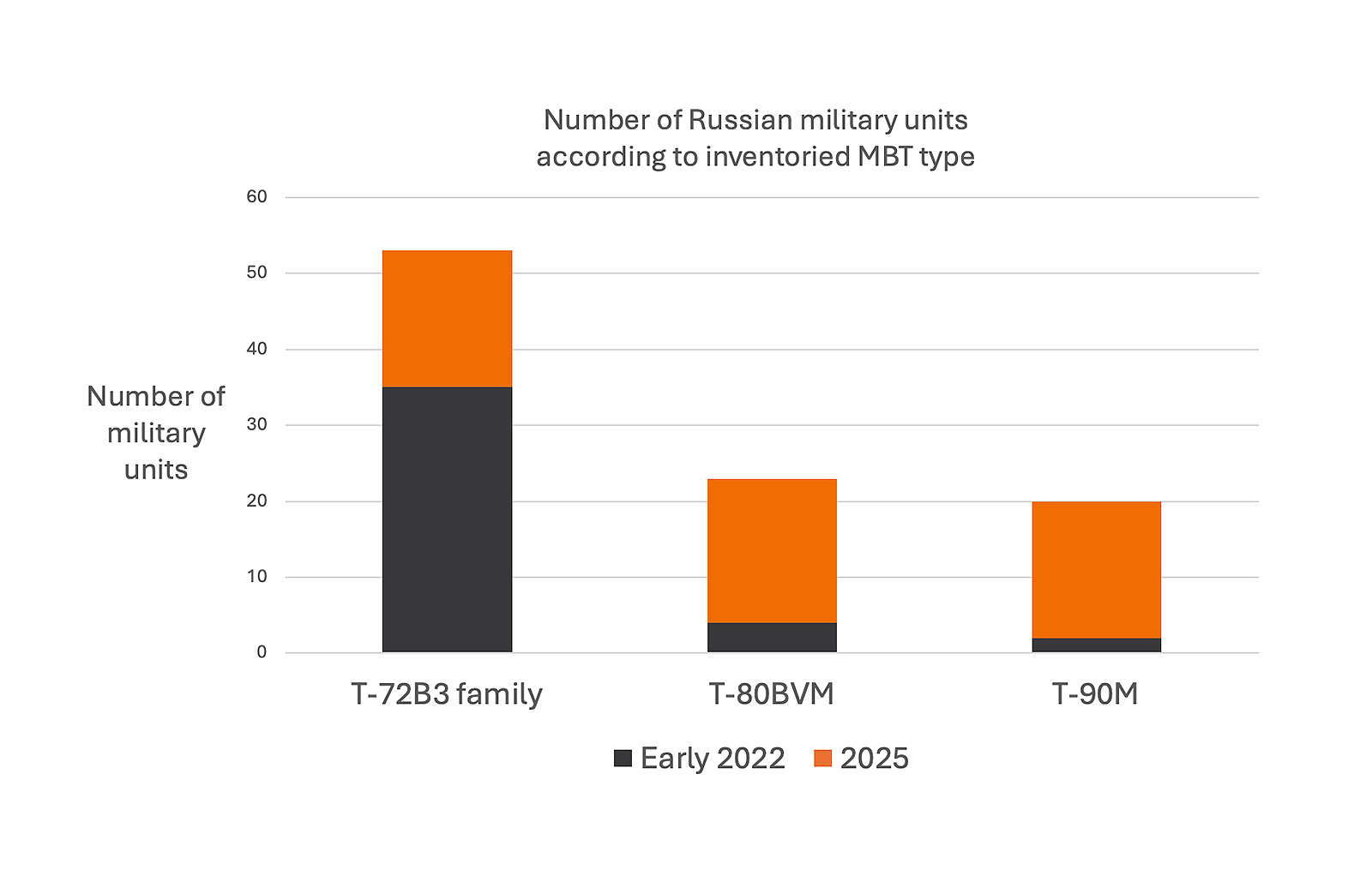
A chart illustrating changes in the number of Russian military units operating the three leading MBT models before the invasion of Ukraine and in 2025. This chart is based on Janes analysis of Russian MoD data and non-official Russian and Ukrainian sources. Image credit: Janes/Miko Vranic
Likewise, only four units operated the T-80BVM prior to the invasion, while some 23 units have been identified by Janes as having the MBT in their inventory as of September. While 35 units had the T-72B3-family MBT in their inventory before the invasion, 53 units were identified by Janes to be equipped with the type as of September, making it the most numerous MBT in the Russian Armed Forces inventory. It is worth noting that each of these units can be equipped with anything from a battalion set of 30–40 of the specified MBTs, down to a company set of 10 MBTs, and even a platoon set of only few of such MBTs.
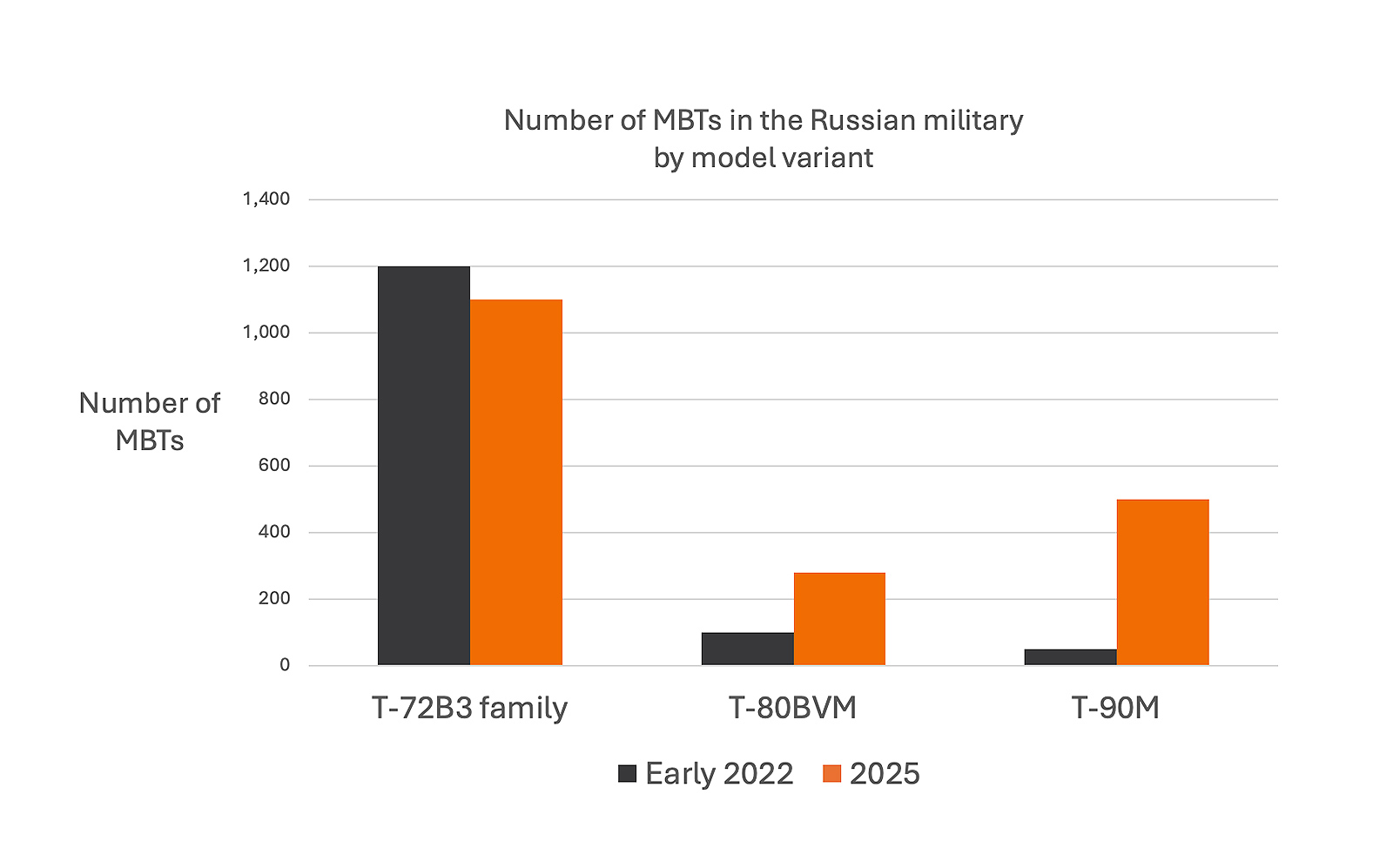
A chart illustrating changes in Russia’s tank force, with Russian T-72B3-family MBT numbers declining from 1,200 in early 2022 to 1,100 in September 2025, and T-90M numbers rising from 50 to 500 and T-80BVM from 100 to 280 over the same period. This chart is based on Janes analysis of Russian MoD data and non-official Russian and Ukrainian sources. Image credit: Janes/Miko Vranic
Tank hull and engine Production
Additional protection
A uniform protective turret roof-mounted cover, which incorporates dynamic protection, intended to protect against top-attack anti-tank guided missiles (ATGMs) and attack first-person view (FPV) unmanned aerial vehicles (UAVs), was developed by Omsktransmash in 2022–23, and is colloquially known as ‘krisha’, meaning ‘roof’, or ‘mangal’, meaning ‘brazier’ in Russian. Omsktransmash overhauls, upgrades, and produces T-80-family MBTs and is a part of UVZ.
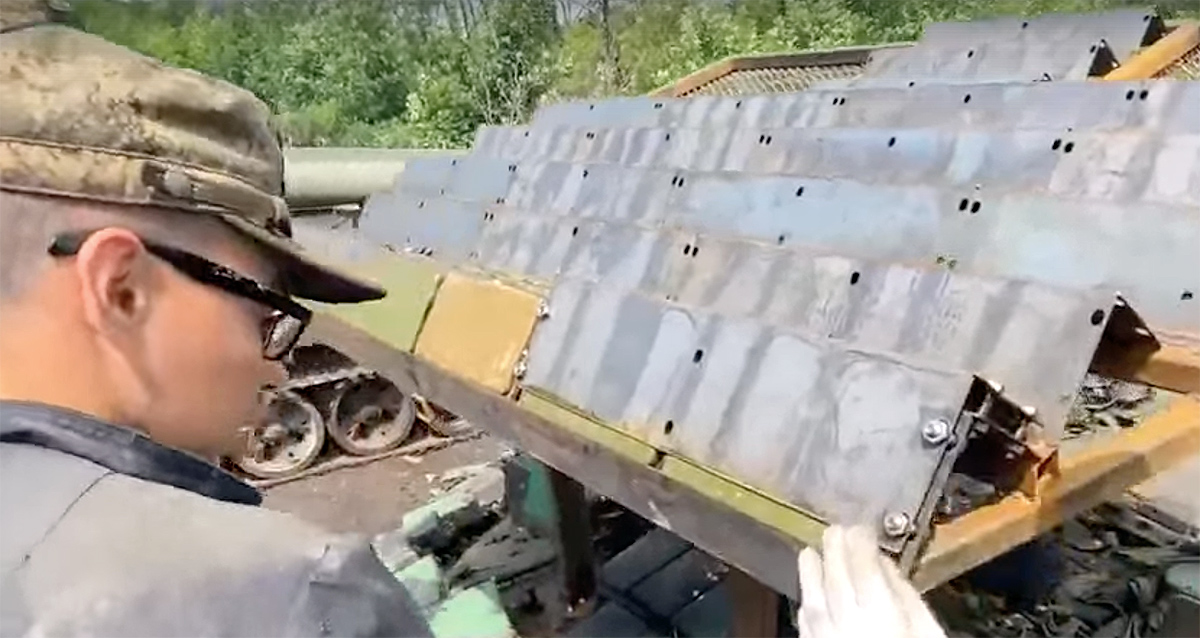 An early version of ‘krisha’ being constructed by the MTO troops close to the theatre in September 2023. Explosive inserts, presumably of the 4S20 series from the Kontakt-1 ERA, can be clearly seen in the image. Image credit: Russian Ministry of Defence
Previously, various improvised cages and covers, including ones with integrated dynamic protection, were installed on MBTs by the Materiel and Technical Support (Material’noe-Tekhnicheskoe Obespecheniye: MTO) troops of the Russian Armed Forces within or close to the theatre of operations in Ukraine. Since 2023 uniform ‘krisha’ kits have been factory fitted to the T-72B3M and T-80BVM.
For more information, please see Analysis: Russia regenerates its tank force