Analysis highlights unmanned threats and potential for Arctic operations
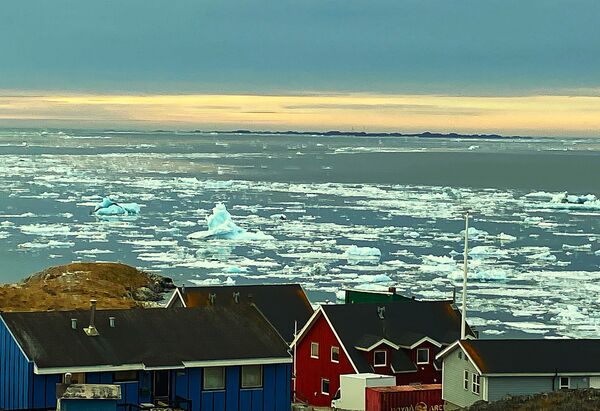

Nuuk, Greenland (pictured) could be a target for unmanned attacks. (Janes/Michael Fabey)
A recent group analysis report underscores concerns of NATO officials about the threats posed by Russian unmanned systems in the Arctic once the current conflict with Ukraine is over.
However, the report also cites the potential for NATO to use unmanned systems in the Arctic to counter future threats by Russia, China, or other geopolitical competitors.
“NATO and Arctic allies should expect Russia to use uncrewed systems at scale as a force multiplier and to create operational dilemmas for the alliance,” the Washington, DC-based Center for European Policy Analysis (CEPA) said its report, High Stakes in the High North: Harnessing Uncrewed Capabilities for Arctic Defense and Security , released on 16 December.
“This obviously elevates C-UxSs [counter unmanned systems] among the urgent priorities for both collective and individual capability development,” CEPA said. “Thanks to their scalability and operational flexibility, drones are uniquely placed to support and conduct this mission set, including by actively countering hostile intelligence, surveillance, reconnaissance (ISR), and targeting assets across multiple domains,” it added.
Uncrewed systems “enhance surveillance and targeting but … may also lower the threshold for force use by reducing risks to friendly personnel, creating information overload, introducing autonomous unpredictability, or generating ‘use-them-or-lose-them' pressures on decision makers”, CEPA reported. “This has led analysts to warn of an emerging ‘Arctic drone race', echoing trends from Ukraine and raising concerns about a new security dilemma.”
Danish Major General Søren Andersen, commander of Denmark's Joint Arctic Command (JAC), told Janes,
Go beyond the headlines - with direct links to interconnected entities
Get full access to validated equipment, military capabilities, and market insights.