New Zealand confirms plan to replace Super Seasprites
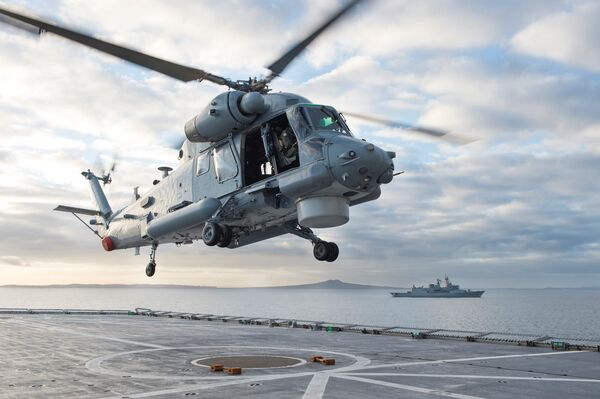

The RNZAF operates the helicopters with its No 6 Squadron. However, the helicopters are flown by Royal New Zealand Navy aircrew and maintained by RNZAF maintainers. (New Zealand Defence Force)
The New Zealand Defence Force's (NZDF's) fleet of Kaman Super Seasprite SH-2G(I) helicopters will be replaced with a new platform, the country's Minister of Defence Judith Collins has said.
According to Collins, a new rotary-wing capability will supersede the “ageing” Super Seasprite SH-2G(I) helicopters currently in service to “increase the defensive and offensive capability and surveillance range of New Zealand's frigates”.
“The replacement of the Seasprite helicopters will also extend the navy's ability to support non-combat tasks such as humanitarian assistance and disaster relief,” Collins added in a statement on 4 May.
“Together with a NZD957 million (USD573 million) investment in NZDF activities, personnel, and estate, the NZD2 billion plus budgeted to replace the helicopters represents the first tranche of the government's NZD12 billion of planned commitments to upgrade the defence force over the next four years,” Collins said.
The Royal New Zealand Air Force's (RNZAF's) operational fleet of Super Seasprites was reduced from eight aircraft to five in mid-2023 to provide three helicopters for operational use at any one time.
Core capability
Collins said that the acquisition of new helicopters has been prompted by a rise in global tensions. “There is no economic security without national security,” she said. “Defence personnel need the right equipment and conditions to do their jobs.”
While the Ministry of Defence (MoD) has not commented on which new platforms are being considered for procurement, the new rotary-wing capability that will be acquired will be “able to go further and carry larger loads, including weapons, personnel, and equipment”, according to Collins.
Go beyond the headlines - with direct links to interconnected entities
Get full access to validated equipment, military capabilities, and market insights.