CSIS cites concerns about long-term SM-3 procurement
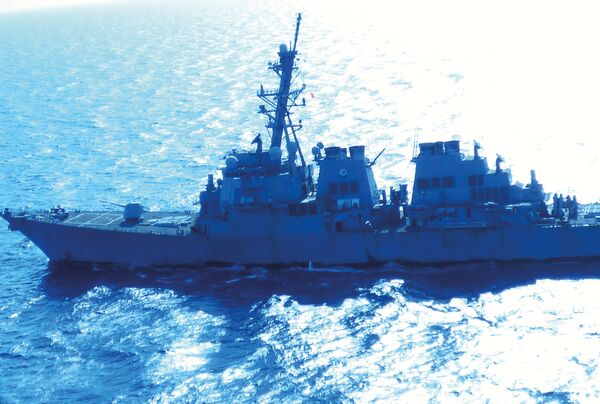

US Navy ships like USS Laboon , shown here operating in the Red Sea, relied heavily on interceptors for missile defence in the region. (Janes/Michael Fabey)
While the stock of US Standard Missile (SM)-3s appears to be adequate for the time being, the Center for Strategic and International Studies (CSIS) underscored a need to increase long-term procurement in a recent online analysis.
“The biggest problem remains longer-term procurement numbers, a trend continued by the 2026 budget request,” Wes Rumbaugh, a fellow in the CSIS Missile Defense Project, wrote in the analysis The Depleting Missile Defense Interceptor Inventory , posted online on 5 December.
“Both of the last two budget requests have proposed ending production of the IB variant of the SM-3 in favor of the IIA variant, sacrificing capacity for capability,” the analysis noted.
“While this decision might reflect the need for the greater range of the SM-3 IIA to deal with threats in the Indo-Pacific, it has constrained MDA's [Missile Defence Agency's] ability to replace interceptors used in other theaters,” the analysis said.
“It seems this uncertainty has caused the unit costs of SM-3 IB interceptors to rise as well, going from around USD9 million per missile for the FY [Fiscal Year] 2021 procurement all the way to nearly USD24 million per missile for the FY 2024 supplemental missiles,” the analysis said.
The analysis cited the increasing use of SMs by US forces lately, especially in the Red Sea region – noting major missile defence needs during attack salvos in June 2024 following naval combat in the preceding months.
Go beyond the headlines - with direct links to interconnected entities
Get full access to validated equipment, military capabilities, and market insights.